Selecting furniture for small spaces can be challenging. According to a report by the American Institute of Architects, over 65% of homeowners in urban areas live in compact living environments. Therefore, understanding how to choose the right sofa for a small living room is essential. A well-chosen sofa can enhance both the space and functionality of a room.
Experts suggest measuring your space before making a purchase. This practice helps avoid common mistakes, such as choosing a sofa too large for the room. The National Furniture Association emphasizes that the right size and shape can optimize the flow of a small area. Additionally, opting for multi-functional sofas, like those with storage, ensures efficiency in design and utility.
While aesthetics matter, practicality should not be overlooked. Consider the sofa’s materials, as durable fabrics can offer longevity and ease of maintenance. Be aware that trends can quickly change, making it vital to choose a timeless design. This approach helps prevent future regrets and the need for replacements. Thus, weighing both style and functionality will lead to a more satisfying choice.
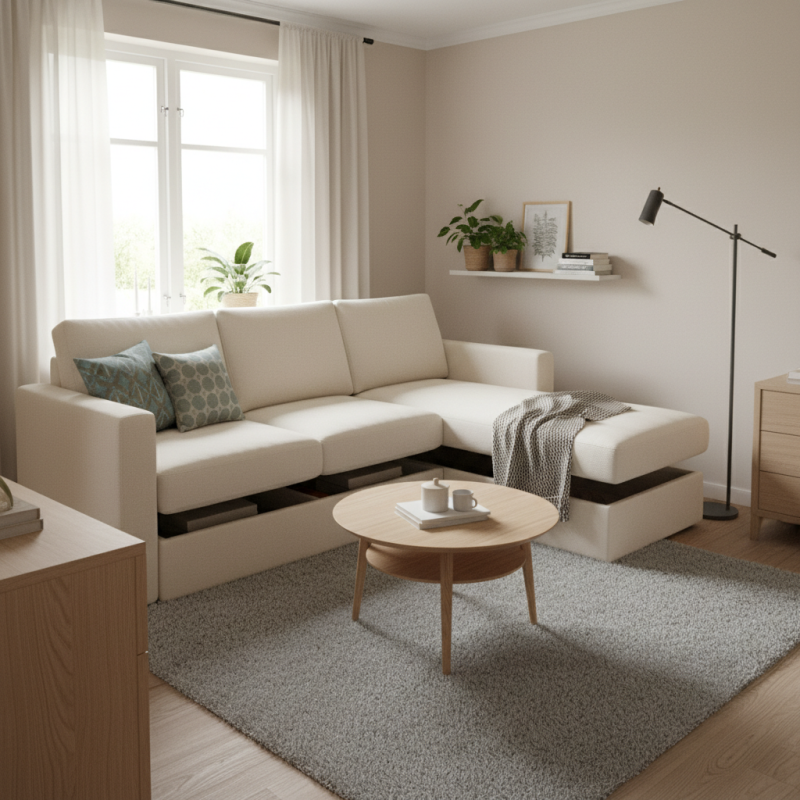
Understanding Sofa Dimensions: Ideal Sizes for Small Living Rooms
When selecting a sofa for a small living room, understanding dimensions is crucial.
The ideal sofa length generally falls between 72 to 84 inches. This size can fit without overwhelming the space.
A depth of 30 to 36 inches is also essential. It allows for comfortable seating without encroaching on walkways.
Consider the height too; a lower profile can make the room feel larger.
Choosing the right sofa shape is important. A sectional might not fit if space is limited. Instead, opt for a loveseat or a sofa with slim arms.
Clear lines create a more open atmosphere. Color and fabric matter as well.
Light colors can make a small space seem bigger. However, darker shades add coziness.
Balance your choice against room style.
Consider your lifestyle. If you have pets or kids, fabric durability matters.
Sofas without scratches and stains can be hard to find. Ensure your choice reflects practicality and comfort.
Too many decorative pillows can clutter surfaces. Aim for a clean and inviting layout.
Think about the sofa in relation to other furnishings, like chairs and tables.
Every piece should create harmony, not chaos.
Choosing the Right Sofa Style: Maximizing Aesthetic and Functionality
When selecting a sofa for a small living room, style plays a pivotal role. A well-chosen sofa can enhance the room's aesthetic while maximizing functionality. Opt for a sleek design that doesn’t overwhelm the space. A minimalist approach often works best. Light colors can create an illusion of spaciousness, while patterns may add personality without cluttering the view.
Consider different shapes as well. A L-shaped sofa can fit snugly into a corner, making the most of your room's layout. Adding modular pieces can offer flexibility. They allow you to rearrange according to needs. Look for sofas with built-in storage too. This way, you maintain the room's tidy look while keeping essentials hidden away.
However, it’s essential to balance style with comfort. A visually striking piece might clash with your everyday needs. Also, ensure the scale of the sofa complements other furniture. You’ll want a harmonious environment that feels cohesive. Before making a final decision, envision your living space with the new sofa. Sometimes, imagining it can reveal aspects that need re-evaluation.
10 Best Tips to Choose the Right Sofa for a Small Living Room
Material Matters: Durability and Comfort in Small Space Sofas
Choosing the right material for a sofa in a small living room is crucial. Durability is key, especially in limited spaces where wear and tear can happen quickly. Look for fabrics like microfiber or tightly woven cotton that can withstand daily use. Leather is another option, offering both style and lasting quality. However, it can be pricier and may require more upkeep.
Comfort should not be overlooked. Soft cushioning can make a small space feel cozy. However, avoid overly plush sofas that may consume too much room. Consider medium-firm cushions that offer support without sinking too deeply. If you have pets or children, opt for materials that are easy to clean. Stains can become a headache in small areas.
Remember, colors and patterns also matter. Lighter shades may help your room appear larger. Yet, dark colors can add warmth but might make the space feel smaller. Patterns can inject personality but can overwhelm a compact setting. Finding the right balance between comfort and aesthetics requires careful thought. Embrace the imperfections of your choices, as each piece tells a story in your living space.
10 Best Tips to Choose the Right Sofa for a Small Living Room
| Tip Number |
Tip Description |
Material Recommendation |
Durability Rating |
Comfort Level |
| 1 |
Choose a Compact Design |
Microfiber |
8/10 |
High |
| 2 |
Opt for a Loveseat |
Cotton Blend |
7/10 |
Medium |
| 3 |
Consider Multi-functional Furniture |
Leatherette |
9/10 |
High |
| 4 |
Select Light Colors |
Polyester |
6/10 |
Medium |
| 5 |
Incorporate Slim Arms |
Wool |
8/10 |
High |
| 6 |
Look for Raised Legs |
Canvas |
7/10 |
Medium |
| 7 |
Avoid Overly Cushy Sofas |
Velvet |
6/10 |
Medium |
| 8 |
Choose Simple Patterns |
Linen |
7/10 |
High |
| 9 |
Prioritize Quality Over Cost |
Synthetic Leather |
8/10 |
Medium |
| 10 |
Test Comfort Before Buying |
Recycled Fabrics |
7/10 |
High |
Functionality and Layout: Arranging Your Sofa for Optimal Flow
When arranging a sofa in a small living room, functionality is crucial. It’s essential to create an optimal flow for movement. According to a study by the American Society of Interior Designers, a well-planned layout can enhance the usability of a small space by 35%. This means your sofa placement can drastically change how you interact with the environment. Avoid placing the sofa in a way that blocks doors or windows. Instead, orient it towards a focal point, like a television or fireplace.
Consider the dimensions of your room. A sofa that is too large can overwhelm the space. The average sofa width is 84 inches. In a small living room, a compact design measuring around 60-72 inches can work wonders. This allows room for side tables and creates breathing space. Experimenting with angles can also yield surprising results. Sometimes a slight rotation can improve flow and make the room appear larger.
Visualize your movement patterns. If people must navigate heavily around furniture, it can lead to frustration. Keeping pathways clear should be a priority. Research indicates that comfortable walking paths should be at least 24 inches wide. If a layout feels cramped, consider alternatives like loveseats or modular sofas. Remember, the goal is to balance aesthetics with practicality. If your current setup feels off, don’t hesitate to reassess and adjust.
Budgeting for Quality: Balancing Cost and Longevity in Sofa Selection
Choosing a sofa for a small living room requires careful budgeting. You want a piece that lasts but doesn’t break the bank. Remember, it’s essential to find a balance between quality and price. Investing in a well-made sofa can save you money in the long run. A cheap option might need replacing sooner, leading to higher costs over time.
When selecting your sofa, consider materials. Fabrics should be durable yet comfortable. Look for hardwood frames, as they offer longevity. An inexpensive sofa may look appealing initially, but will it withstand daily use? The structure is critical. You want a sofa that stays sturdy through various circumstances.
Don’t forget about measurements. Your space dictates the size and scale of the furniture. A compact, streamlined design works best for tight areas. Accessories like cushions can provide flair, but ensure they don’t overcrowd the space. A well-chosen sofa enhances your living area, but it must also fit practically. Evaluate your choices carefully for a long-lasting investment.
Conclusion
When considering how to choose the right sofa for a small living room, it’s essential to understand various aspects that can significantly impact both aesthetics and functionality. Start by assessing sofa dimensions to ensure they fit well within your space without overwhelming it. Opt for styles that enhance the room's overall look while providing necessary comfort. Additionally, the material plays a crucial role in both durability and the feel of the sofa, making it vital to select one that complements your lifestyle.
Functionality also matters; arranging your sofa to promote optimal flow in the room can enhance accessibility and make the space feel larger. Lastly, budgeting for quality is key—striking a balance between cost and longevity ensures that your investment stands the test of time. By considering these tips, you can confidently select a sofa that meets your needs in a compact living area.

 Hee Living