When investing in lumbar support, many wonder, "What is the difference between a lumbar roll and a back cushion?" Understanding these differences is crucial for selecting the right support for your needs. Both products serve to alleviate back strain, yet they differ in design, function, and user experience.
A lumbar roll is a cylindrical support. It fits snugly against the lower back. This design promotes correct spinal alignment. It targets specific areas, offering relief during long periods of sitting. In contrast, a back cushion is typically larger and cushier. It can encompass a broader area of the back. While it emphasizes comfort, it may lack the targeted support of a lumbar roll.
Choosing the right support can feel overwhelming. The perfect option varies by individual need. Reflect on your daily habits and specific discomforts. It’s essential to test both options to find what works best for you. Overall, understanding these products can lead to better back health and comfort.
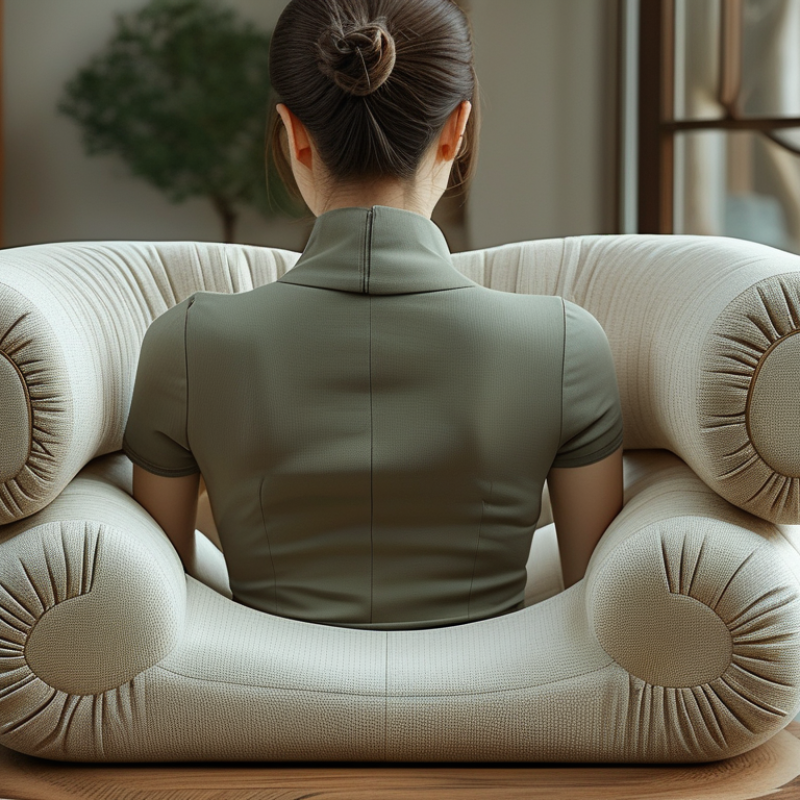
A lumbar roll is a supportive tool designed to enhance posture and relieve back strain. Placing it in the lower back region encourages the natural curvature of the spine. This alignment can significantly reduce discomfort during long hours of sitting, whether at a desk or while driving. Many people struggle with back pain due to poor posture. A lumbar roll offers a practical solution to this pervasive issue.
The primary purpose of a lumbar roll is to promote an ergonomic sitting position. It helps to maintain the lower back's curve, preventing slouching. When used correctly, it can alleviate pressure on the spinal discs. However, not everyone finds it comfortable. Individuals with specific health conditions may need to adjust their use of a lumbar roll. Feedback from users indicates mixed experiences; some report relief, while others feel strained. Personal comfort varies greatly, which makes it essential to assess its fit for individual needs. Adjusting the roll’s position can also determine its effectiveness.
| Feature | Lumbar Roll | Back Cushion |
|---|---|---|
| Definition | A cylindrical support that promotes proper lumbar curvature. | A flat or contoured cushion that provides cushioning and support to the back. |
| Primary Use | To maintain the natural lordotic curve of the lower back. | To alleviate pressure on the back and improve overall comfort. |
| Ideal Placement | Positioned in the lower back area while seated. | Can be used on chairs or sofas to support mid to lower back. |
| Portability | Lightweight and easy to transport. | Varies by design; some may be bulky. |
| Material | Typically made of foam or gel for support. | Often contains memory foam or polyester fill for comfort. |
| Customization | Generally one size fits most; specific shapes for fit. | Available in various shapes, sizes, and firmness levels. |
: A lumbar roll is a tool designed to support posture and relieve lower back strain.
It encourages the natural curve of the spine, reducing discomfort during prolonged sitting.
Not everyone finds it comfortable. Personal comfort varies greatly among individuals.
Assess your specific needs and your seating situation for the best support.
A lumbar roll targets the lower back, while a back cushion offers broader support.
You may need to adjust its position or experiment with chair height for comfort.
Yes, some report relief while others feel strained, highlighting the need for personal assessment.
It's better for situations where you sit upright for long periods, like at a desk.
Yes, it can provide support and reduce discomfort while sitting in a car for extended periods.
Some may need to experiment with a lumbar roll for better lower back support.
When considering lumbar support options, many people ask, "What is the difference between a lumbar roll and a back cushion?" A lumbar roll is specifically designed to maintain natural lumbar curvature, enhancing posture by supporting the lower back's natural alignment. It is particularly beneficial during prolonged sitting, as it encourages a healthy spine position. In contrast, a back cushion provides broader support, often with additional padding, which can improve overall comfort for the entire back, beneficial for those seeking relief from general discomfort.
Both devices have their unique advantages; lumbar rolls focus specifically on spinal alignment, while back cushions often offer enhanced comfort. When choosing between the two, personal preference and specific needs play a critical role. Expert recommendations suggest evaluating individual comfort levels and intended use, along with clinical studies indicating user satisfaction with both types of support devices, to determine which option might be more effective for maintaining spine health.

 Hee Living