Why Is Polyester the Most Durable Fabric for Furniture?

Time:2026-09-27 Author:Sienna
0%

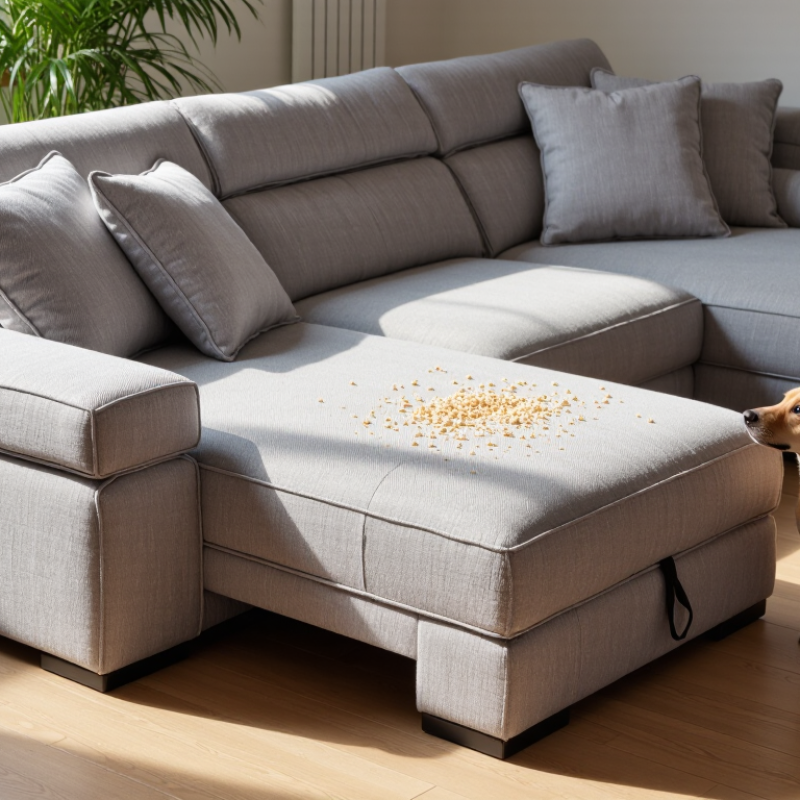
When homeowners ask, “What is the most durable fabric for living room furniture,” polyester often enters the conversation. Its strength comes from practical performance, not marketing alone. Tightly woven polyester can resist daily rubbing, pet hair, minor spills, and repeated cleaning. It also holds color well beside sunny windows. That matters on a busy sofa.

Upholstery specialist and author Kimberley S. McGowan explains, “Durability depends on fiber, weave, finishing, and how the furniture is used.” That sentence deserves attention. Polyester is not automatically indestructible. A loose weave may snag. Cheap finishing can wear away. A pale fabric can still reveal coffee quickly. The label alone cannot tell the whole story.

Still, polyester offers a convincing balance for family rooms. Its fibers are resilient, so cushions often recover after long sitting. Microfiber polyester feels soft under bare arms, while textured blends can hide small marks between cleanings. Look for a dense weave, strong seam construction, and a high abrasion rating. Performance testing helps, but household experience matters too.

Imagine a child climbing onto the same cushion every afternoon. Imagine crumbs pressed into the fabric’s surface. Polyester may handle that routine better than delicate linen or loosely woven cotton. Yet it may develop pilling, static, or heat damage under poor care. That is the honest compromise.

The most durable choice depends on traffic, pets, sunlight, and maintenance habits. Polyester is a strong candidate, not a universal winner. A durable sofa begins with informed selection, careful construction, and realistic expectations.
Why Is Polyester the Most Durable Fabric for Furniture?

Polyester’s Structure and Its Role in Furniture Durability

Why Is Polyester the Most Durable Fabric for Furniture?

Polyester’s Structure and Its Role in Furniture Durability

Polyester begins with a tightly bonded polymer structure. Its long molecular chains resist stretching, abrasion, and repeated compression. That matters when cushions receive thousands of daily sitting cycles. The fiber also absorbs little moisture, often around 0.4%. Spills usually remain near the surface. However, polyester is not invincible. Strong sunlight, harsh cleaners, and poor ventilation can still weaken upholstery over time.

The Textile Exchange 2024 Materials Market Report places polyester at approximately 57% of global fiber production in 2023. This scale reflects wide industrial use, but popularity alone proves nothing about furniture performance. Professional testing remains essential. ASTM D4966 evaluates abrasion through the Martindale method, while ASTM D4157 uses the Wyzenbeek method. These tests measure fabric endurance under controlled rubbing. A high result helps, but it cannot predict every home environment. A loose weave may snag despite strong fiber content. Seams, backing, foam density, and stitching often decide the final lifespan.

Tips: Check the fabric’s abrasion result before buying. Ask which test method produced the number. Inspect the weave under bright light. Dense, balanced yarns usually protect better. Wipe spills quickly with mild soap and water. Avoid assuming “100% polyester” guarantees superior durability; construction still matters. This is where buyers sometimes misjudge the material.

Resistance to Wear, Friction, and Everyday Furniture Use

Why Is Polyester the Most Durable Fabric for Furniture?

Resistance to Wear, Friction, and Everyday Furniture Use

Polyester performs well when furniture faces constant movement, pressure, and contact. Its strong synthetic fibers resist breaking during repeated sitting, leaning, and sliding. A dining chair may experience hundreds of daily movements, especially around busy family tables. Polyester can handle this routine without quickly losing its surface structure.

Abrasion testing helps measure how upholstery responds to repeated rubbing. Polyester commonly performs strongly because its fibers recover well after friction. The fabric also resists stretching, which helps cushions maintain a cleaner shape over time. I have seen polyester seating remain stable beside doorways, where clothing and bags repeatedly brush against the fabric.

Small details matter.

Still, polyester is not indestructible. A tightly woven fabric usually handles friction better than a loose, decorative weave. Rough clothing, pet claws, and untrimmed hardware can create visible damage. Pilling may also appear when loose fibers twist together, although construction and finishing affect the result. Regular vacuuming removes gritty particles that can act like sandpaper. Promptly cleaning spills may protect the finish, but harsh scrubbing can create its own wear. For heavily used furniture, checking the fabric’s abrasion rating and weave density is more reliable than judging softness alone.

Protection Against Stains, Moisture, Fading, and Wrinkles

Polyester remains a practical choice for furniture because it handles daily friction without losing shape easily. Textile Exchange’s 2023 Materials Market Report estimated polyester represented 54% of global fiber production in 2022, or roughly 63 million tonnes. That scale reflects broad industrial use, not automatic quality. A tightly woven upholstery fabric still matters.

Moisture is less easily absorbed because polyester has very low moisture regain, commonly reported near 0.4%, compared with about 8.5% for cotton. Spills often stay on the surface briefly, giving users time to blot them. Stain performance depends on weave and finishing, though. AATCC 130 stain-release testing can measure how well treated fabric recovers after washing. Without proper testing, “stain resistant” may be overstated. I have seen light upholstery show marks quickly when its texture traps dust.

Polyester also resists fading better when the fiber is solution-dyed or properly finished. AATCC 16.3 evaluates colorfastness to light, while ASTM D5034 measures breaking strength. These tests provide useful evidence, but home conditions remain harsher in unpredictable ways. Strong windows, oily hands, and repeated cleaning can still weaken appearance. Polyester’s spring-like recovery helps reduce wrinkles after sitting, especially compared with less resilient fibers. It is not wrinkle-proof. Poor cushion filling can create permanent-looking creases, even when the cover performs well. Regular vacuuming, prompt blotting, and shade control usually protect the fabric better than marketing claims alone.

Why Is Polyester the Most Durable Fabric for Furniture?

Polyester is widely used in furniture upholstery because its synthetic fibers provide strong resistance to moisture, fading, wrinkles, and everyday staining. The chart shows an indicative fiber-performance index based on typical untreated textile properties, where 100 represents the highest resistance.

Key takeaway: Polyester combines high moisture resistance, strong color retention, excellent wrinkle recovery, and good resistance to common household stains, making it a practical choice for frequently used furniture.

How Polyester Compares with Other Common Upholstery Fabrics

Why Is Polyester the Most Durable Fabric for Furniture?

How Polyester Compares with Other Common Upholstery Fabrics

Polyester performs strongly because its fibers resist abrasion, stretching, and moisture absorption. Its quick-drying surface also limits the damp feel caused by spills. The 2024 Textile Exchange Materials Market Report states that polyester represented about 57% of global fiber production in 2023. That scale reflects broad industrial confidence, though it does not guarantee every upholstery fabric will last.

Performance depends on construction. The ACT Upholstery Fabric Performance Guidelines commonly use 15,000 double rubs for residential seating and 30,000 for high-traffic areas. Polyester can reach these levels when tightly woven. Cotton feels breathable but may fade, crease, and wear faster. Linen offers a natural texture, yet its slubs can weaken under repeated friction. Wool resists crushing and recovers well, although it may pill. Nylon often delivers excellent abrasion resistance, but it can feel less soft and show heat damage.

Polyester is not perfect. Low-quality versions may develop surface pilling or retain oily marks. Test numbers also cannot predict every home. A sofa beside a sunny window faces different stress from one used occasionally. For reliable selection, inspect the weave, colorfastness, cleaning code, and abrasion result together. A dense polyester blend may outperform a loosely woven “premium” fabric. That detail is easy to miss.

Care Practices That Help Polyester Furniture Last Longer

Why Is Polyester the Most Durable Fabric for Furniture?

Polyester resists stretching, abrasion, and everyday friction, making it practical for busy furniture. ISO 12947 measures upholstery wear in Martindale cycles. A 40,000-cycle result often indicates strong resistance, but it does not promise a specific lifespan. The test is not the room. Pet claws, rough denim, sunlight, and spilled drinks create different damage patterns.

Care makes the difference. Vacuum polyester upholstery weekly using a soft brush attachment. Dust behaves like fine sandpaper when trapped between fibers. Blot spills immediately with a white, absorbent cloth. Do not rub. Use cool water and a small amount of mild detergent, then remove residue with another damp cloth. Always test a hidden area first. Polyester can tolerate regular cleaning, but heat may set stains or distort blended fibers.

Rotate loose cushions every two weeks, and change their position after deep cleaning. Keep furniture away from strong windows where possible. AATCC TM16.3 evaluates textile colorfastness to light, yet even good test results cannot prevent every home from fading fabric. I have found that “washable” is not the same as “carefree.” The U.S. Environmental Protection Agency’s Advancing Sustainable Materials Management report recorded about 17 million tons of textile waste in 2018, with roughly 2.5 million tons recycled. Longer furniture use can reduce replacement waste, even when maintenance feels inconvenient.

Why Is Polyester the Most Durable Fabric for Furniture? - Care Practices That Help Polyester Furniture Last Longer

Durability Dimension How Polyester Performs Practical Furniture Benefit Care Practice Recommended Frequency
Abrasion resistance Polyester fibers generally resist repeated rubbing well, although performance varies with yarn, weave, and fabric construction. Suitable for frequently used sofas, dining chairs, and family-room seating. Rotate and reverse removable cushions when the design allows it. Every 1–3 months
Resistance to stretching Polyester has relatively low moisture regain and generally maintains its shape better than many natural fibers. Helps upholstery retain a neater appearance during regular use. Avoid standing or placing concentrated weight on the cushions. Whenever used
Moisture absorption Polyester absorbs relatively little water compared with fibers such as cotton, so surface moisture often dries more quickly. Less likely to remain damp after minor spills when promptly treated. Blot spills with a clean, absorbent cloth; do not rub aggressively. Immediately after spills
Color retention Polyester can provide good color retention, but prolonged direct sunlight may fade many upholstery textiles. Helps furniture maintain a consistent appearance when protected from intense light. Use curtains, blinds, or UV-filtering window treatments where possible. Daily protection in sunny rooms
Resistance to mildew growth The fiber itself is not a food source for mildew, but dirt, humidity, and trapped moisture can still support growth on or around the fabric. Good ventilation and prompt drying help preserve the upholstery and its odor quality. Keep furniture dry and allow airflow around cushions and the frame. Check monthly and after wet cleaning
Resistance to household stains Polyester can be easier to clean than some absorbent fibers, but stain resistance depends on the finish and the type of soil. Routine cleaning can reduce the chance of dirt becoming embedded in the fabric. Test any cleaner on a hidden area and follow the upholstery care label. Spot-clean as needed
Resistance to wrinkling Polyester generally recovers well from light creasing and is less prone to wrinkling than many natural fabrics. Supports a tidy appearance with less frequent reshaping or steaming. Smooth cushions by hand after use and avoid tightly compressing them for long periods. Weekly or as needed
Lint and pet-hair management The smoothness and weave of polyester upholstery influence how easily lint and hair are released. Regular removal helps maintain surface appearance and prevents buildup in the weave. Vacuum with an upholstery attachment or use a soft lint brush. Weekly; more often with pets
Heat sensitivity Polyester is a thermoplastic fiber and can be damaged, distorted, or melted by excessive heat. Avoiding high heat protects the fabric surface and its dimensional stability. Keep hot irons, heaters, and high-temperature steam away unless the care label permits it. Always
Professional cleaning needs Routine maintenance is usually sufficient, but embedded soil and large stains may require upholstery-specific professional cleaning. Periodic deep cleaning can extend the visual and functional life of the upholstery. Use a qualified upholstery cleaner when home spot treatment is not enough. Every 12–24 months, or as needed

Note: Actual durability depends on the polyester fiber, yarn, weave, backing, dye, finish, cushion construction, and level of use. Always follow the furniture manufacturer's care label before cleaning.

FAQS

Why is polyester commonly used for furniture upholstery?

Polyester resists everyday friction, stretching, and moisture absorption. It also dries quickly and usually keeps its shape well.

Does polyester upholstery resist stains?

Spills may stay on the surface briefly, giving you time to blot them. Stain resistance depends on the weave and finish, so check care details.

Is polyester furniture completely wrinkle-proof?

No. Its fibers recover from pressure better than some alternatives, but poor cushion filling can leave stubborn-looking creases.

What should I check when choosing polyester upholstery?

Inspect the weave, cleaning code, colorfastness, and abrasion results. A dense fabric may last longer than a loosely woven one.

How often should polyester upholstery be vacuumed?

Vacuum weekly with a soft brush attachment. Trapped dust can act like fine sandpaper between the fibers.

What is the best way to clean a spill?

Blot it promptly with a white absorbent cloth. Use cool water and mild detergent, then remove residue with a damp cloth.

Can sunlight fade polyester furniture?

Yes. Strong window light and repeated cleaning can dull its appearance, even when the fabric has good colorfastness results.

How can I reduce wear on sofa cushions?

Rotate loose cushions every two weeks and change their positions after deep cleaning. It is a small task, but easy to forget.

Do abrasion test results guarantee a particular lifespan?

No. Test cycles indicate resistance under controlled conditions, not exact years of use. Pets, rough clothing, and spills change the outcome.

Does polyester require no maintenance?

No. It still needs vacuuming, quick spill care, and protection from heat. “Washable” does not mean carefree.

Conclusion

Polyester is widely regarded as one of the most durable fabrics for furniture because of its strong, tightly woven fibers. Its structure helps upholstery resist stretching, tearing, abrasion, and repeated friction caused by daily sitting, moving, and family use. It also maintains its shape well, making it a practical choice for living rooms that receive frequent activity. When treated properly, polyester can offer additional protection against stains, moisture, fading, and wrinkles, helping furniture maintain a clean and attractive appearance over time.

What is the most durable fabric for living room furniture? Polyester is a strong candidate because it often provides a balanced combination of durability, affordability, easy maintenance, and color retention. Compared with more delicate upholstery materials, it generally handles everyday wear with less concern. Regular vacuuming, prompt cleaning of spills, avoiding excessive direct sunlight, and following the fabric’s care instructions can further extend the life of polyester furniture.

Sienna

Sienna

Sienna is a skilled marketing professional with a deep expertise in our company’s core products and services. With a passion for innovation and detail, she plays a pivotal role in crafting insightful blog posts that not only highlight the unique features of our offerings but also provide valuable......